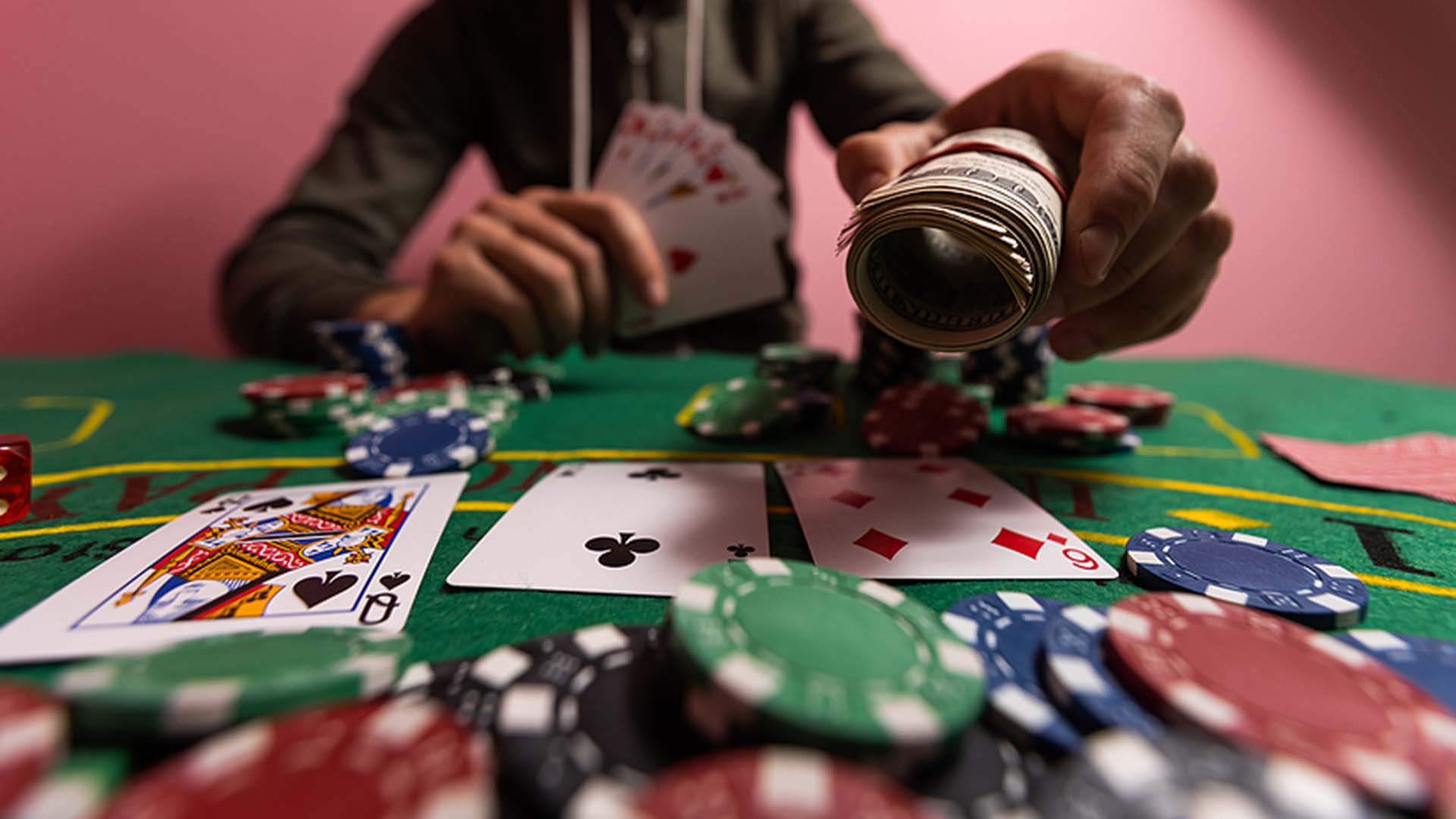
Casinos have long captivated the imagination of people around the world, offering an enticing mix of entertainment, excitement, and the allure of winning big. From the opulent resorts of Las Vegas to smaller, local gaming establishments, casinos have become synonymous with leisure, risk, and glamour. But beyond the flashing lights and ringing slot machines, there is a complex blend of psychology, strategy, and regulation that makes the casino experience unique.
At their core, casinos are places where people can engage in games of chance and skill, typically involving wagering money on the outcome. Popular games like blackjack, poker, roulette, and baccarat offer a range of experiences. Some games, such as slots or roulette, are primarily luck-based, relying on random outcomes to determine winners. Others, like poker or blackjack, combine chance with skill, strategy, and careful decision-making. This balance of luck and skill is part of what makes casino gaming so compelling. Players are constantly weighing risk versus reward, considering probabilities, and often testing their own intuition against the odds.
Slot machines are perhaps the most iconic symbol of the casino. Modern slots employ random number generators (RNGs) to ensure fairness, and they are designed to be visually and aurally stimulating. The combination of lights, sounds, and the occasional payout creates a psychologically engaging experience. Despite their simplicity, slots are one of the most profitable games for casinos due to the house edge—a small statistical advantage that ensures the casino maintains a long-term profit. Understanding this concept is crucial for players, as it highlights the importance of setting limits and approaching gambling as entertainment rather than a reliable source of income.
Table games, on the other hand, often involve more interaction and strategic thinking. Blackjack, for example, is a game where the decisions of the player can influence the outcome. dbltoto By learning basic strategy, players can reduce the house edge and maximize their chances of winning. Poker is even more intricate, as it pits players against each other rather than the house. Here, reading opponents, calculating odds, and bluffing become central elements. This combination of skill and psychology is part of what has made poker one of the most enduring and respected casino games worldwide.
Casinos are not just about games—they are also about creating an immersive experience. Many establishments offer fine dining, live entertainment, luxury accommodations, and themed environments that enhance the overall appeal. The goal is to create a space where visitors can escape everyday life, enjoy themselves, and engage in social interaction. This blend of spectacle and entertainment contributes significantly to the global popularity of casinos.
However, casinos also carry potential risks, particularly concerning problem gambling. Responsible gaming measures, such as self-exclusion programs, deposit limits, and access to support services, are crucial for protecting vulnerable individuals. Many modern casinos, both physical and online, actively promote responsible gambling to ensure that their patrons can enjoy the experience safely.
The rise of online casinos has revolutionized the industry, making it more accessible than ever. Online platforms offer a similar range of games with the convenience of playing from home or on mobile devices. Digital technology allows for innovative game design, live dealer experiences, and detailed statistical tracking, giving players new ways to engage with casino gaming. Despite this digital shift, the thrill of chance, strategy, and social interaction remains at the heart of the casino experience.
In conclusion, casinos are complex and fascinating spaces where chance, skill, and entertainment intersect. They offer a unique blend of excitement, strategy, and social interaction, appealing to a wide range of people around the world. Whether visiting a lavish resort in Las Vegas, a local gaming hall, or an online platform, the allure of the casino lies in its ability to provide thrill and leisure in a controlled and engaging environment. By understanding the games, practicing responsible gambling, and appreciating the entertainment value, players can enjoy everything casinos have to offer while minimizing risks.